On 11 June 2026, the Supreme Court decided a custody dispute that, going by the facts alone, didn’t seem out of the ordinary: two parents who had separated, one child, and both sides staking a claim.

Articles
Expert articles and legal insights across jurisdictions.
Browse by category
Latest Articles
In the modern workplace, organizations are increasingly focused on creating safe, inclusive, and respectful environments for their employees.
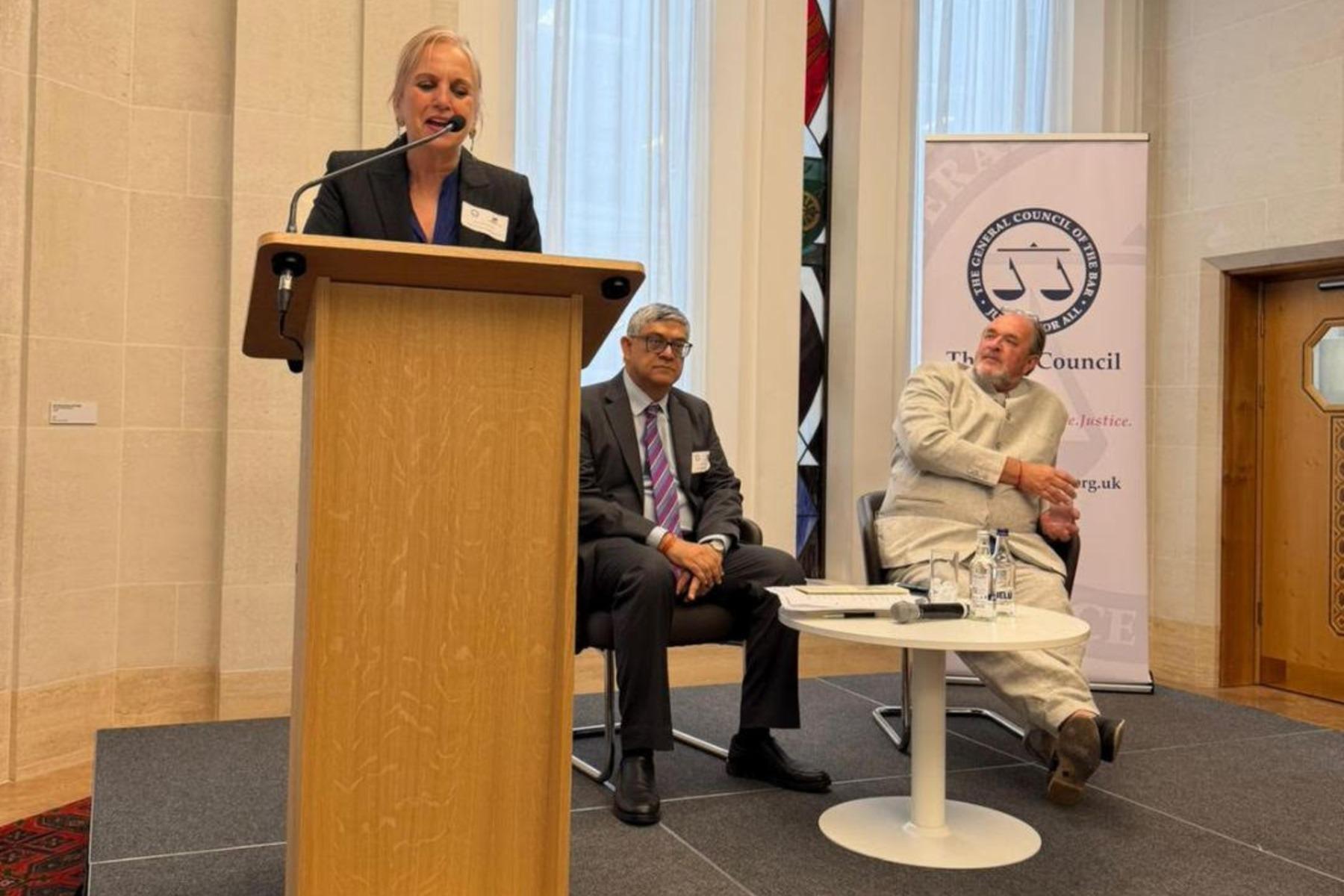
London, 1 June 2026: Bars Across attended “India and the UK – courts, commerce and culture”, a joint event hosted by The Bar Council of England and Wales and the Arbitration Bar of India at Guildhall, City of London, as part of London International Disputes Week 2026.
An executive of an IT firm dealing with finances, receives a call from the CEO, regarding an immediate fund transfer for delivery of a long pending software. The executive hearing the voice of his CEO complies with the direction.
The Delhi High Court has reaffirmed that matrimonial cruelty extends beyond physical abuse and can include conduct that places a spouse at a legal disadvantage after inducing reliance on a negotiated settlement.
Every click, purchase, email, and online interaction leaves behind a digital footprint. From banking applications and healthcare records to social media and workplace communications, our personal information has become an integral part of the digital economy.
On 12 March 2026, a bench of the Supreme Court comprising Chief Justice Surya Kant, Justice Joymalya Bagchi and Justice Vipul M. Pancholi did something the Court had not done in over four decades: it formally disposed of the writ petition that had governed environmental protection in the Taj Trapezium Zone (TTZ) since 1984
The law governing divorce by mutual consent in India has traditionally rested on a simple proposition: consent must continue until the final decree of divorce is granted.
The purpose and growth of insolvency law in India reflects an important jurisprudential shift from an approach that was essentially focused on liquidation, it moved its focus onto revival of corporations and protection against liquidation.
India's corporate sector is undergoing a profound transformation in the way businesses approach growth, governance, and long-term planning.
When elderly parents transfer their homes, land, or life savings to their children, the transaction is rarely motivated by commercial considerations.