UK Service Providers Face August Deadline as Single-Sex Spaces Code Takes Effect
Organisations across the United Kingdom have been urged to prepare for significant changes to the operation of single-sex facilities following parliamentary approval of the Equality and Human Rights Commission’s (EHRC) updated Code of Practice.
About the authors+

Reading context+
Jurisdictions
Topics
Organisations across the United Kingdom have been urged to prepare for significant changes to the operation of single-sex facilities following parliamentary approval of the Equality and Human Rights Commission’s (EHRC) updated Code of Practice. The revised code is due to come into force on 5 August, giving service providers a limited period to ensure compliance.
The updated guidance follows the UK Supreme Court’s decision in For Women Scotland v The Scottish Ministers in April 2025, which held that, for the purposes of the Equality Act 2010, the terms “sex,” “man,” and “woman” refer to biological sex rather than certificated sex. The ruling has prompted revisions to the EHRC’s guidance governing the provision of single-sex services and facilities.
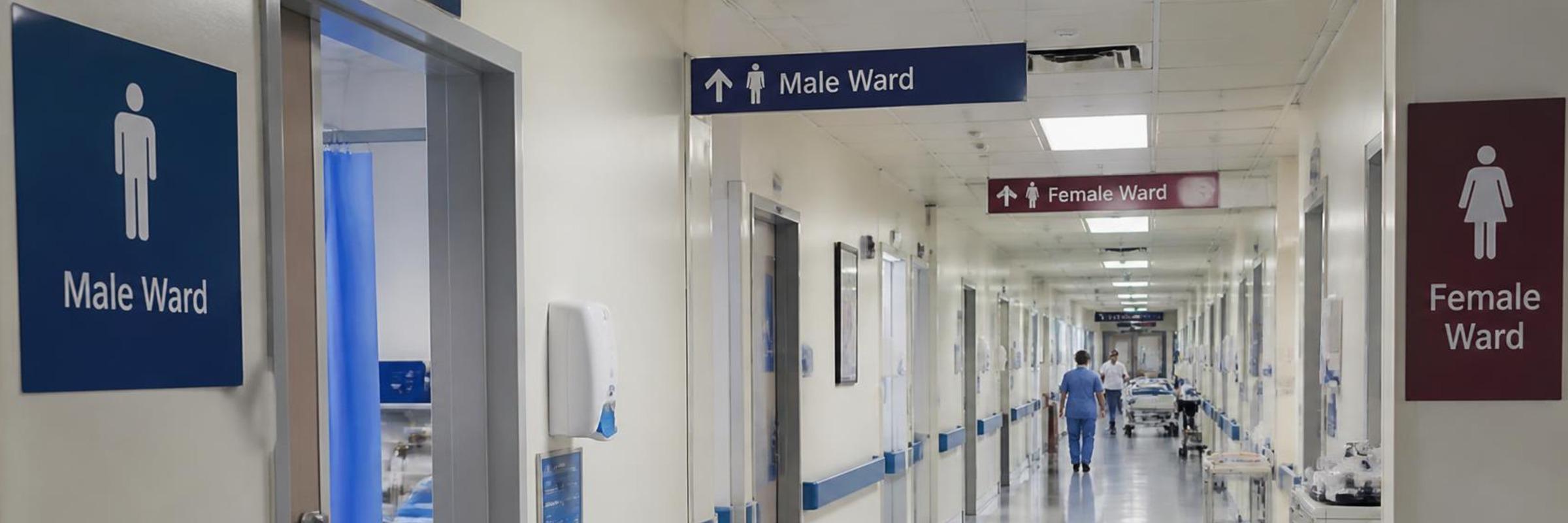
Under the revised code, access to single-sex spaces, including hospital wards, refuges, toilets, changing rooms, and similar facilities, must be determined on the basis of a person’s biological sex. The code applies to services, public functions, and associations, and is intended to assist organisations in understanding and complying with their obligations under the Equality Act 2010.
Commenting on the changes, Francis Keepfer, an equality law expert at Pinsent Masons, said organisations that had already begun reviewing their policies following the Supreme Court’s decision would be well placed to comply with the new requirements. He noted that any planning undertaken since the April 2025 judgment remained relevant and consistent with the updated code.
However, Keepfer warned that organisations which had not yet considered the implications of the revised guidance now faced a limited timeframe before it takes effect. He observed that the announcement places the code and its requirements firmly back in focus, particularly for service providers that have not yet assessed how their facilities and access arrangements may be affected.
He further cautioned that the 5 August implementation date leaves service providers with a relatively short window to prepare. According to Keepfer, organisations should begin reviewing their compliance immediately, noting that failure to comply with the law-and with the EHRC Code, which is designed to assist duty bearers in meeting their legal obligations-could expose them to legal challenges.
The revised Code of Practice may also carry legal significance beyond its practical guidance. It can be relied upon as evidence in proceedings under the Equality Act 2010 and is expected to influence how the EHRC approaches equality-related issues in future, including matters affecting employment.
The revised guidance attracted political opposition during the parliamentary scrutiny process. A total of 166 Members of Parliament signed a motion seeking to reject the draft code after concerns were raised that its implementation would prevent transgender individuals from using facilities corresponding with their gender identity. However, following the completion of the 40-day parliamentary scrutiny period, the code was approved and is now scheduled to come into force in August.
With the implementation date approaching, organisations providing single-sex facilities are expected to review their policies and operational practices to ensure compliance with the updated legal framework established under the Equality Act 2010.
Disclaimer: We strive to ensure the accuracy of our reporting. If you notice any factual inaccuracies or have updates, please write to us at [email protected]